
Working With an Online Pai Gow Poker Session Limit at the Tables
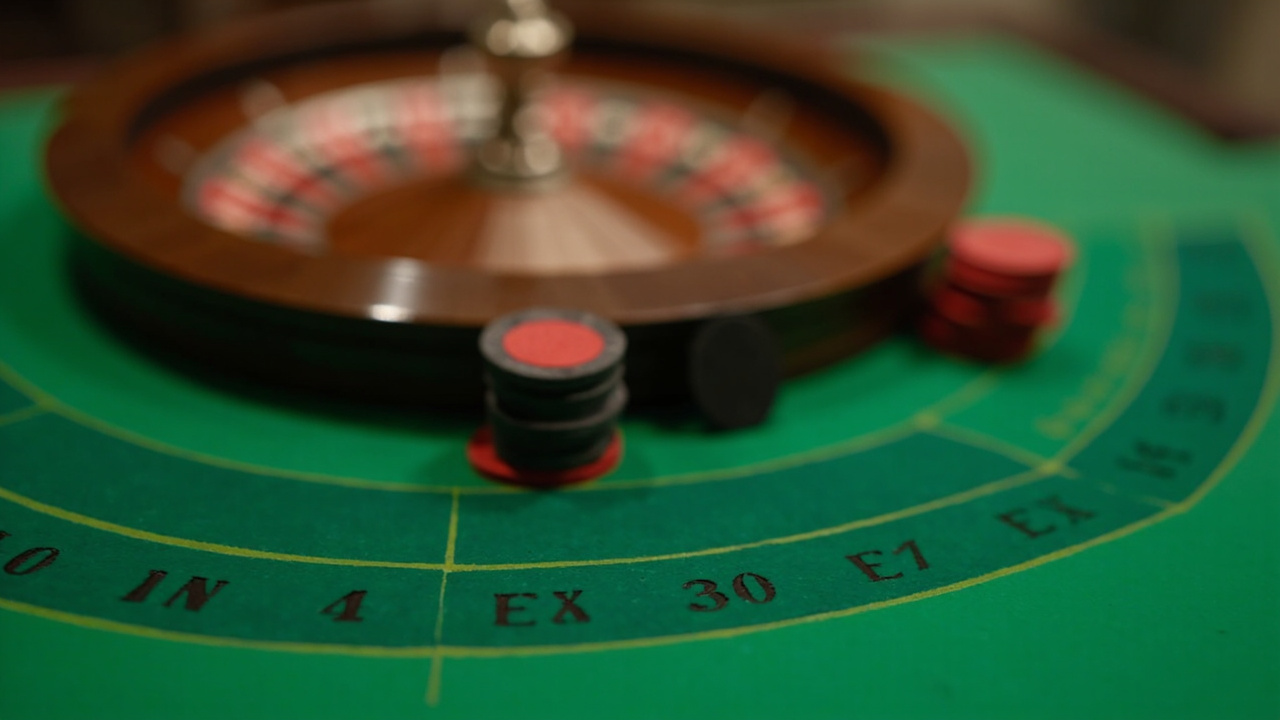
Most punters chasing pai gow online will tell you the cards decide everything, but anyone who has stared at a screen at 2am knows the real variable is how long you’ve been sitting there. An online pai gow poker session limit is the simplest tool a player has to keep that variable honest, and on the Gold Coast where a quick session on the couch can turn into a whole arvo gone, that tool earns its place. Here is how it actually works in practice.
Setting an Online Pai Gow Poker Session Limit at Sign-Up
When you register with any reputable platform, the responsible gambling dashboard sits one tap away from the cashier – somewhere between the deposit button and the bonus toggles. Most operators let you pick a daily, weekly, or monthly cap before your first hand is even dealt. Set it to something honest: if you usually lose $80 at the Gold Coast pub on a Friday, write that down, halve it, and treat the number like rent – the same disciplined approach you would take at delfungogieraenergia.com, where smart bankroll work always beats impulse at the tables.
The cap isn’t a one-off either. Once you save it, the platform applies the limit across every game in your lobby: live dealer pai gow, RNG pai gow, and the side-game lobby that operators tuck behind the main menu. If you wander into a different vertical – keno, scratchies, even a quick punt on the footy – the same cap still applies. That cross-product enforcement is what separates a real limit from a polite suggestion.
You’ll also find a reality-check pop-up firing every thirty minutes during play, plus a cooling-off lock once you’ve nudged the cap three times in a month. None of it is glamorous, but that’s the point – the tool is meant to be boring so the cards can stay exciting.
Inside a Real Session: How the Limit Behaves
Once your cap is set, the platform enforces it the moment you cross the threshold – no warnings, no grace period, just a clean logout until the clock resets. During play, pai gow’s split-hand structure means you’re effectively making two decisions per round: the five-card high hand and the two-card low. A push returns your stake untouched, which is why veteran players, myself included when I’m back in смотрите тут Brisbane reviewing a Skywind release, treat a push as a free breath rather than a setback.
What catches newcomers is the rhythm. You’ll see tote-style payout pools on the side bets, RFID-tracked dealer tables streaming from Manila and Malta, and a chat host throwing out banter between shoe shuffles. It’s defo engaging, but the session limit is what keeps the experience from sliding into something you’d rather not explain to your partner.
Matilda Lewis, Head of Live Casino at Koala Digital Group, puts it plainly: “Players who set a hard cap tend to walk away after a winning night more often than chasing a loss, and our live-dealer data backs that up across every market we operate in.” Stick to the cap, and the table stays fun – that’s the whole trick.
Maths, Markets, and What This Means for Australians
From a production standpoint – and I’ve spent enough years in slot maths and Skywind content leadership to say this with confidence – a session limit only works if it’s set lower than your natural session length. The math is unglamorous: expected loss per hand sits around the operator’s hold percentage, multiplied by hands per hour, multiplied by hours played. Stretch that out across a 90-minute Gold Coast evening at the kitchen table and even a small house edge compounds faster than you’d reckon.
What this means for Australians is straightforward. Treat the cap like a metre of rope at the buffet – once it’s out, the meal is over. If you usually play at a Surfers pub for two hours after knock-off, set the online cap at ninety minutes with a dollar figure that matches one beer-and-pokies outing. The pub’s pokies culture runs hot and social, but the online version runs quieter and longer, which is precisely why the limit matters – there’s no last-round schooner to mark the end of the night. Recent South Australian reform reporting tracks at InDaily reform coverage, and the operator response shows up across live industry briefings that document deposit caps and reality-check pop-ups in detail.
Session Limit FAQ
How long should an online pai gow poker session limit be?
Aim for roughly ninety minutes if your offline routine is two hours at the Gold Coast pub after knock-off. Most regulated platforms let you choose between a daily, weekly, or monthly cap, and the right number is whatever you’d still be comfortable with after a losing night. Halve your usual spend, set the timer, and walk when it pings.
Does a push count against my session limit?
A push is just a tie – your stake returns untouched and the hand doesn’t register as a loss, but the time on the clock still ticks. That’s by design: the limit is meant to govern how long you sit at the table, not how the cards land. Most platforms will still log the round as part of session time, no exceptions.
Can I raise my session limit later?
Most operators allow increases only after a cooling-off period of 24 hours or more, and decreases usually apply instantly. That’s the safer direction for Aussie players who find their cap too tight on a winning arvo. Lowering is one tap; raising is a deliberate step meant to slow you down, not speed you up.