
Unraveling the truth behind gambling myths and misconceptions
The Illusion of Skill in Gambling
One of the most persistent myths surrounding gambling is that skill significantly influences outcomes, particularly in games of chance like slots or roulette. Many players believe that if they practice enough, they can master these games and increase their chances of winning. However, the reality is that these games are designed to be random, relying on chance rather than skill. Understanding this can help players manage their expectations and play responsibly. For those looking for a thrilling gaming experience, check out https://maestro-galaxsys.com/, which offers engaging casino games that emphasize strategy.
For instance, poker is often viewed as a game of skill, but even seasoned players can lose due to the inherent randomness of card distribution. While strategies and psychological tactics can enhance one’s game, the unpredictable nature of the draw means no player has absolute control over the outcome. This highlights the importance of recognizing the balance between skill and luck in different gambling scenarios.
Moreover, the belief in skill often leads to the misconception that players can “beat the system.” This idea can result in reckless gambling behavior, where individuals chase losses in hopes of applying a strategy that will turn their fortunes around. Educating oneself about the true nature of gambling can promote healthier engagement with these activities, emphasizing enjoyment over the pursuit of profits.
The Gambler’s Fallacy: Understanding Randomness
The gambler’s fallacy is a common misconception that can lead players astray. It refers to the belief that past outcomes influence future results in random games, such as assuming a red number on a roulette wheel is due for a black number. This fallacy can encourage players to make irrational decisions, driven by a false sense of control over inherently random events.
Consider a coin toss, where each flip is independent of the previous one. If a coin lands on heads five times in a row, the probability of tails on the next flip remains fifty percent. This principle applies to casino games as well, where players may mistakenly believe they can predict outcomes based on previous results, ultimately leading to greater losses. Understanding the true nature of randomness can foster a more realistic approach to gambling.
Dispelling the gambler’s fallacy involves acknowledging that each game or round is an independent event. This understanding is crucial for responsible gambling. Players should focus on the odds and probabilities rather than superstitions or trends that lack any statistical backing. By doing so, they can make informed decisions and avoid the pitfalls that come from misunderstanding randomness in gambling.
The Myth of “Hot” and “Cold” Machines
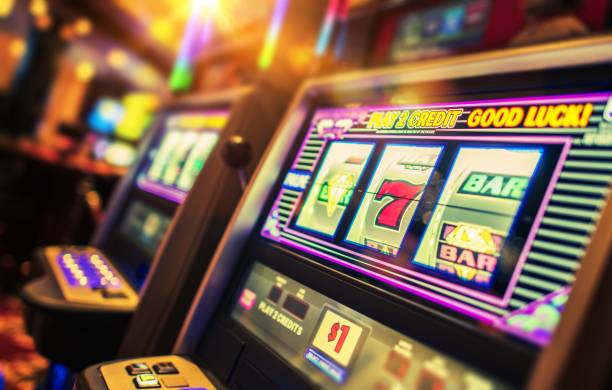
Another widespread myth involves the notion of “hot” and “cold” slot machines. Players often believe that certain machines are due for a payout after a long period of inactivity, or conversely, that a frequently winning machine will soon stop paying out. This belief can lead to misinformed decisions about where to place bets, underlining a significant misunderstanding of how slot machines function.
In reality, each spin on a slot machine is determined by a random number generator, ensuring that each outcome is independent of the last. The idea of a machine being “hot” or “cold” is entirely illusory, as there are no cycles or patterns to exploit. Understanding this can save players from chasing after machines based on myths and focusing instead on games that provide the best odds.
Furthermore, casinos frequently use the appeal of “hot” machines as part of their marketing strategy, creating an enticing atmosphere for players. However, it is essential for gamblers to recognize that every machine operates independently and at random. This knowledge empowers players to approach their gaming experience with a more analytical mindset, reducing the likelihood of making poor choices based on misconceptions.
The Influence of Luck and Superstitions
Luck plays a significant role in gambling, and many players develop their own rituals or superstitions to enhance their chances of winning. Whether it’s wearing lucky clothing, using specific betting patterns, or avoiding certain numbers, these behaviors are rooted in the desire to exert control over an uncontrollable situation. However, such practices are often based on myths rather than any tangible effect on game outcomes.
While luck is undeniably part of the gambling experience, believing in superstitions can lead to irrational behavior. For instance, a player may refuse to place a bet on a table that seems unlucky, despite the odds remaining constant across all tables. This reliance on superstition can cloud judgment and detract from the enjoyment of the game, shifting the focus away from strategy and critical thinking.
Ultimately, it is crucial for players to differentiate between luck and skill. By recognizing that superstitions do not impact the odds, gamblers can approach their gameplay with a rational mindset. This shift not only improves decision-making but also enhances the overall enjoyment of the gambling experience, allowing individuals to appreciate the thrill without being hindered by unfounded beliefs.
Responsible Gambling: Finding Balance
As we unravel the truth behind gambling myths and misconceptions, it becomes evident that responsible gambling is paramount. Understanding the odds, recognizing the role of luck, and being aware of the randomness in games are essential for creating a positive gambling experience. Players should prioritize enjoyment and entertainment over financial gain, ensuring that gambling remains a fun and engaging activity.
Moreover, setting limits on time and money spent is crucial for maintaining control. Players should approach gambling with a budget, treating it as a form of entertainment rather than a means to make money. This perspective can help mitigate the risks associated with gambling, reducing the likelihood of developing problematic behaviors.
Ultimately, educating oneself about gambling myths and misconceptions empowers individuals to make informed decisions. By seeking reliable information and understanding the nature of the games, players can enhance their gambling experiences while minimizing the risks. Responsible gambling involves not only knowledge but also self-awareness and moderation.
Explore More on Our Website
For those interested in delving deeper into the world of gambling and learning more about responsible gaming, our website offers a wealth of resources. From articles that debunk common myths to guides on game strategies and responsible gambling practices, we aim to provide comprehensive information for both newcomers and seasoned players.
Additionally, our platform features engaging content that covers the latest trends, celebrity casino stories, and insights into the gaming industry. Whether you are looking to understand a specific game better or explore new ways to enjoy your gambling experience, our website serves as an invaluable tool in your journey.